
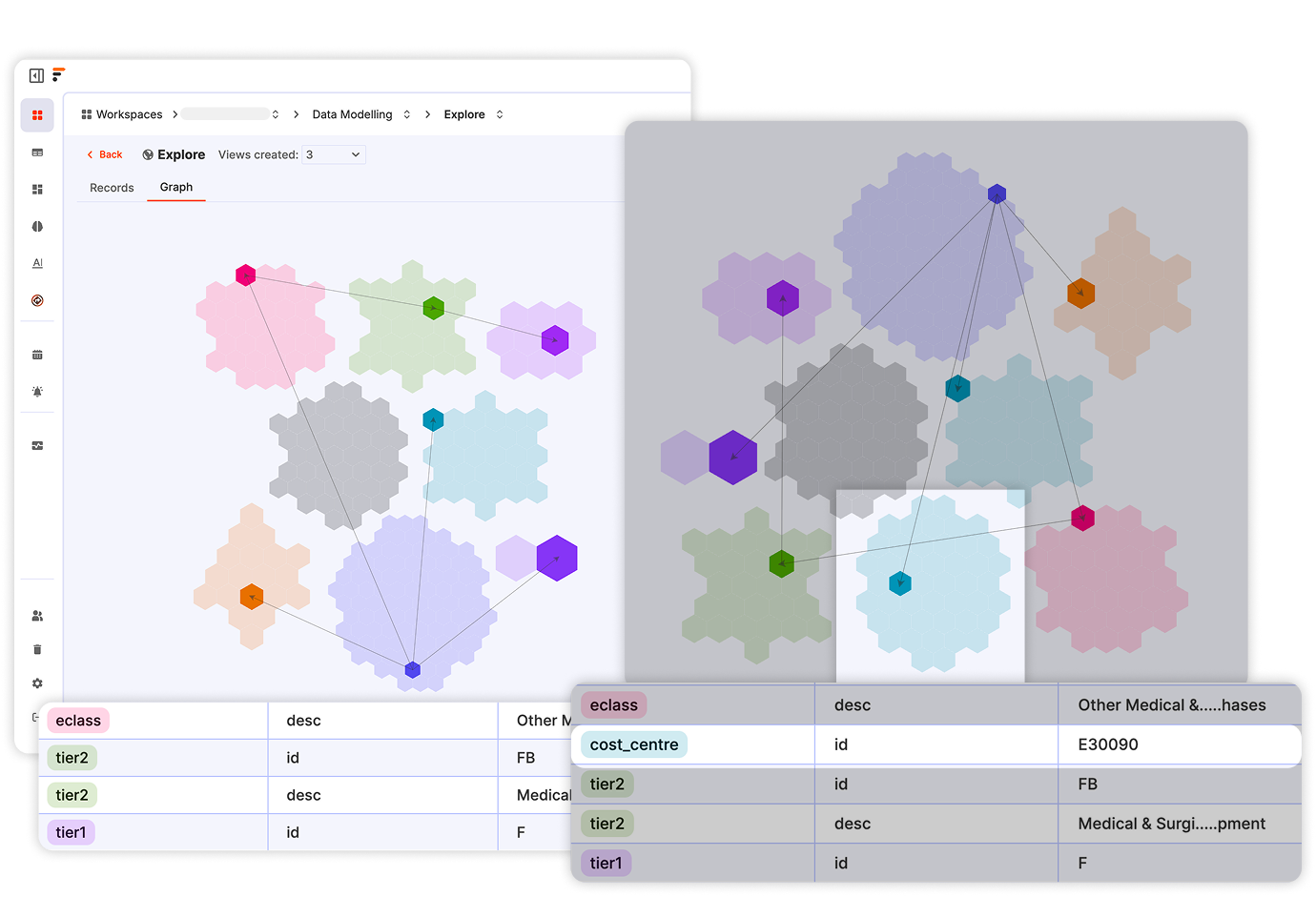






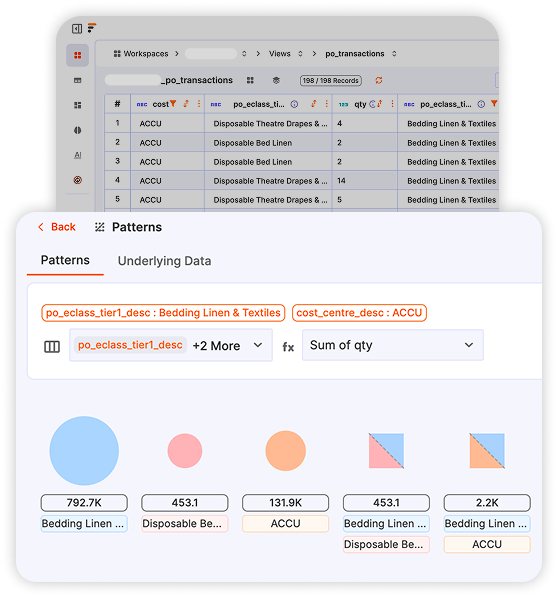


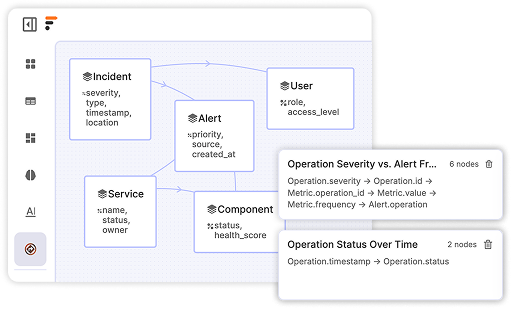
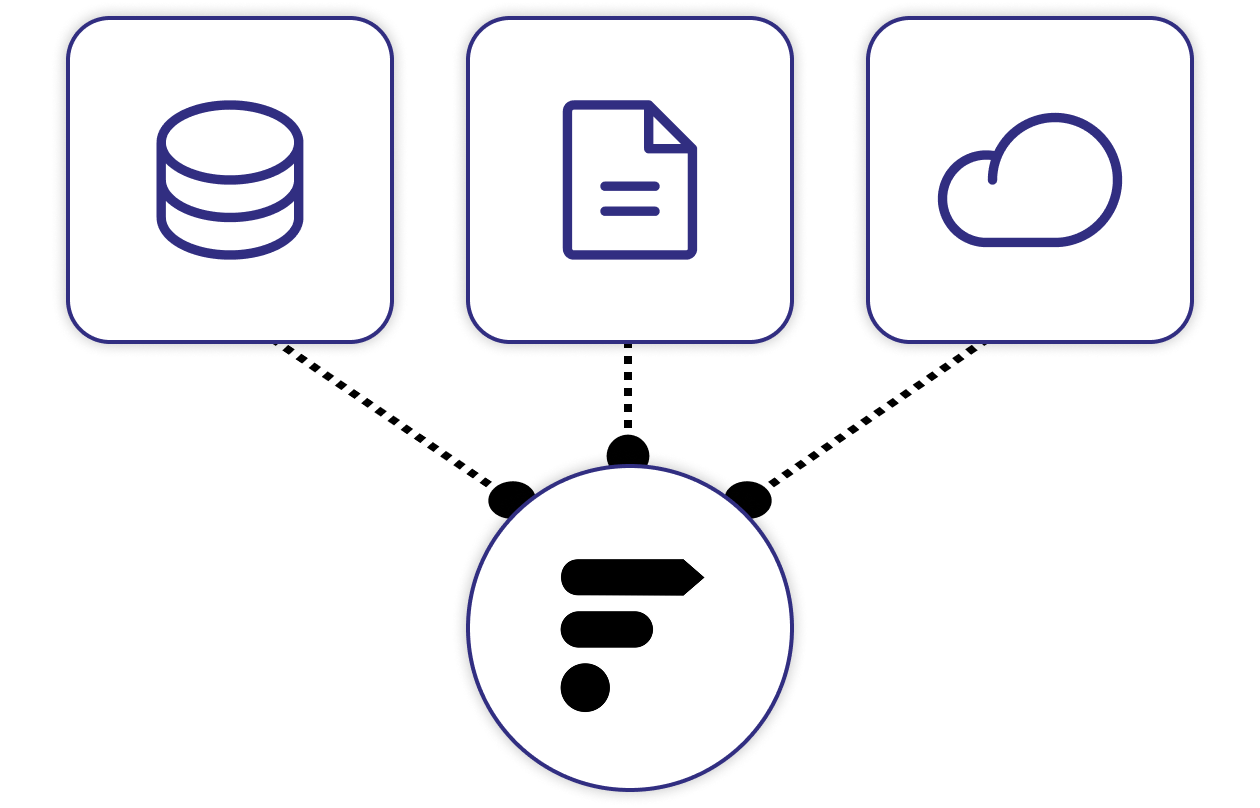
“As a procurement intelligence company, we deal with a lot of data from multiple different sources and formats. We needed a layer on top of our database that is intelligent enough to understand the data relationships, ‘X data is related to Y, Y it is related to Z.’ That is what enables us to give alerts to users so they make their best next decision.”

“As a procurement intelligence company, we deal with a lot of data from multiple different sources and formats. We needed a layer on top of our database that is intelligent enough to understand the data relationships, ‘X data is related to Y, Y it is related to Z.’ That is what enables us to give alerts to users so they make their best next decision.”
“As a procurement intelligence company, we deal with a lot of data from multiple different sources and formats. We needed a layer on top of our database that is intelligent enough to understand the data relationships, ‘X data is related to Y, Y it is related to Z.’ That is what enables us to give alerts to users so they make their best next decision.”
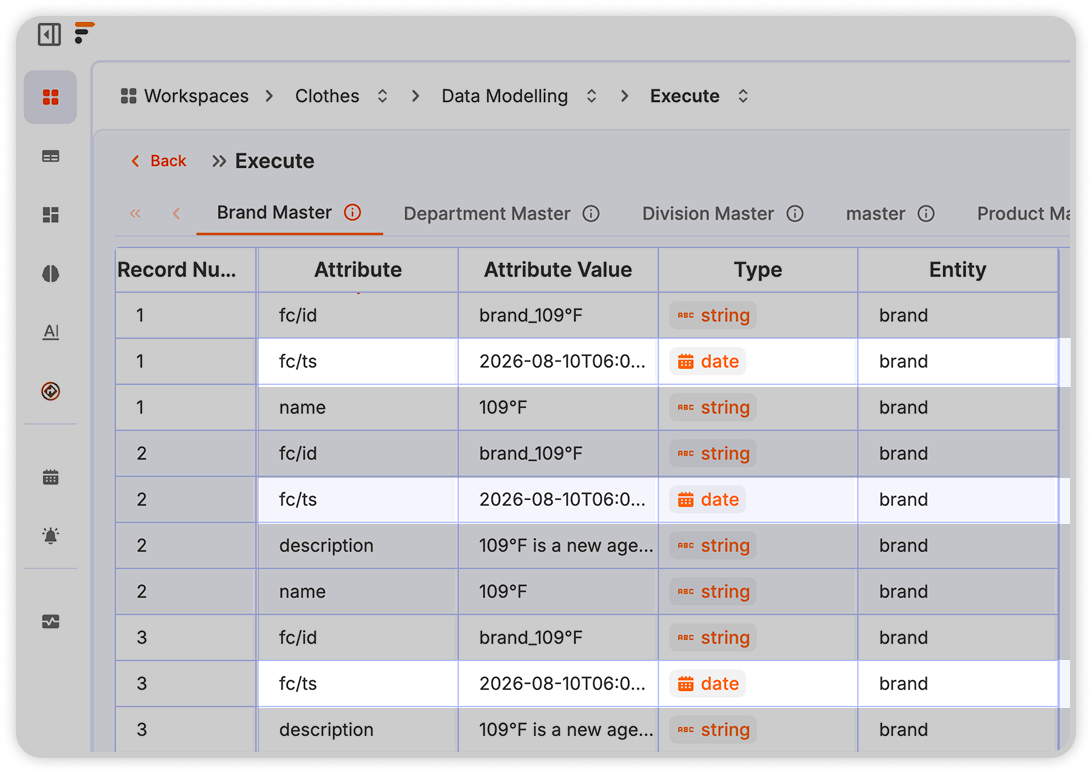
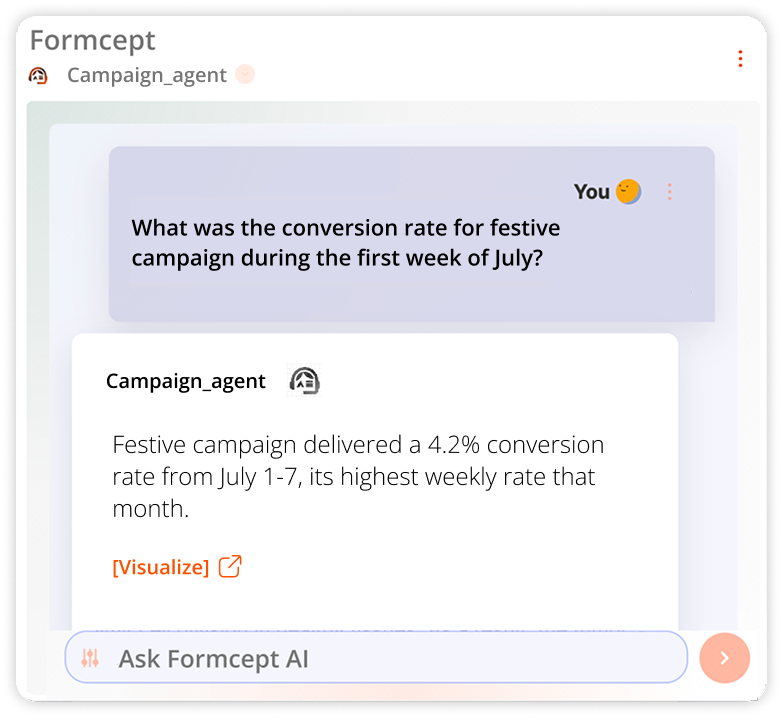
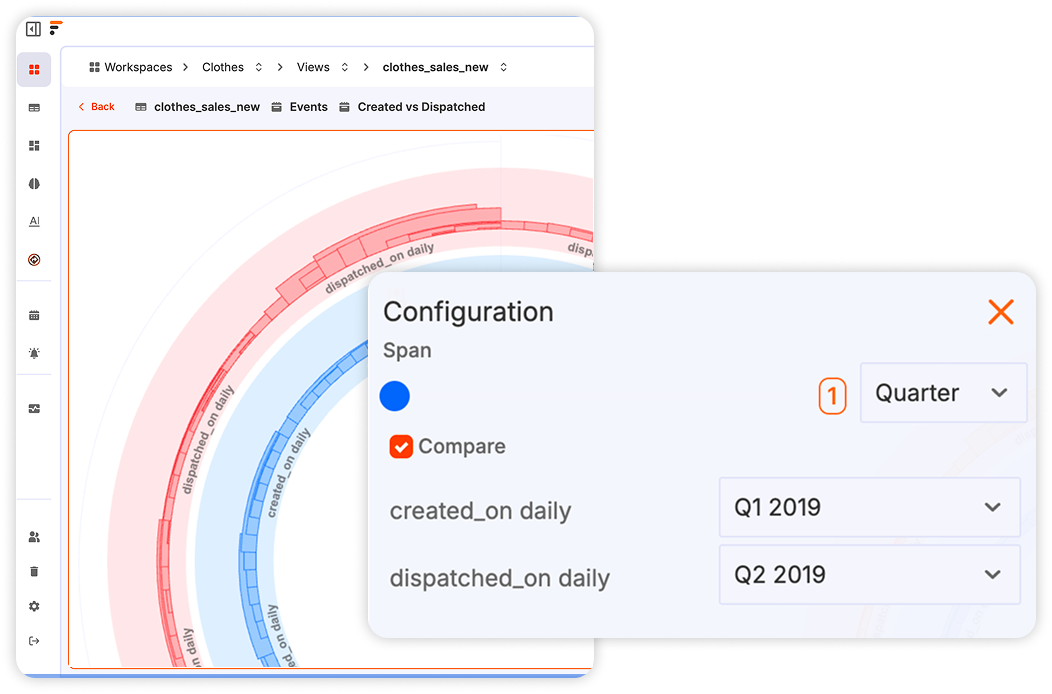

































No, Formcept data management is time-aware by default, and automatically captures an immutable timestamp against each data point.
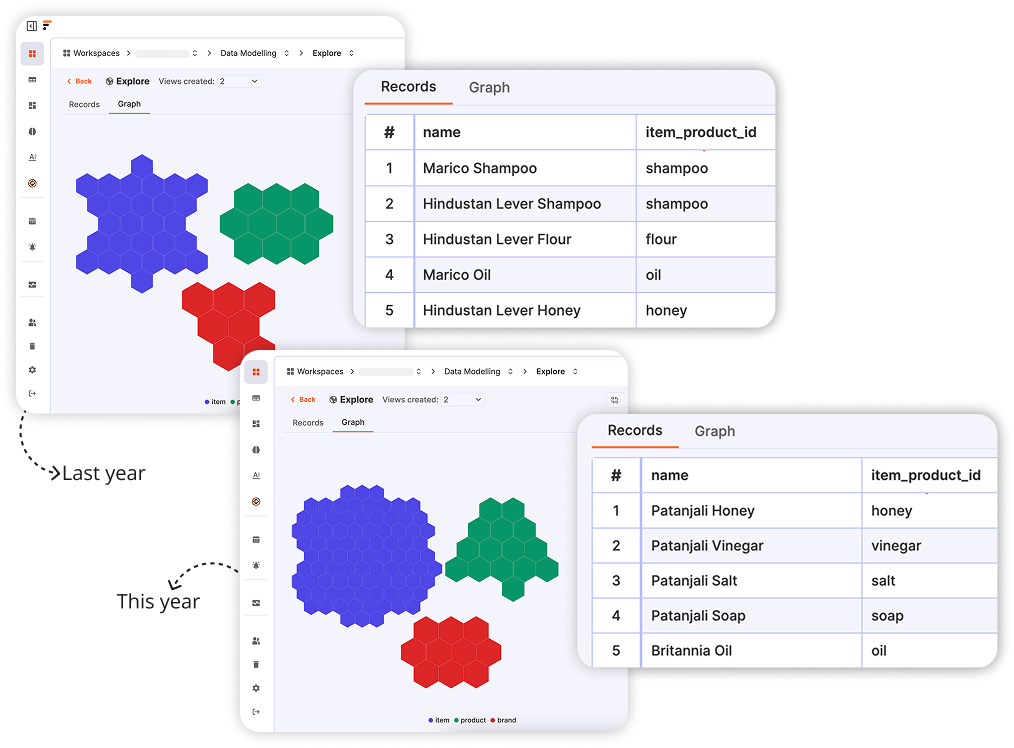
Absolutely. You can rewind to any point of time, and time-travel your business data by simply specifying the date you want to go back to.
Every change is recorded along with versioning, so you can rewind back to any point in time, and still find the instance of that data and the logs of the changes done.
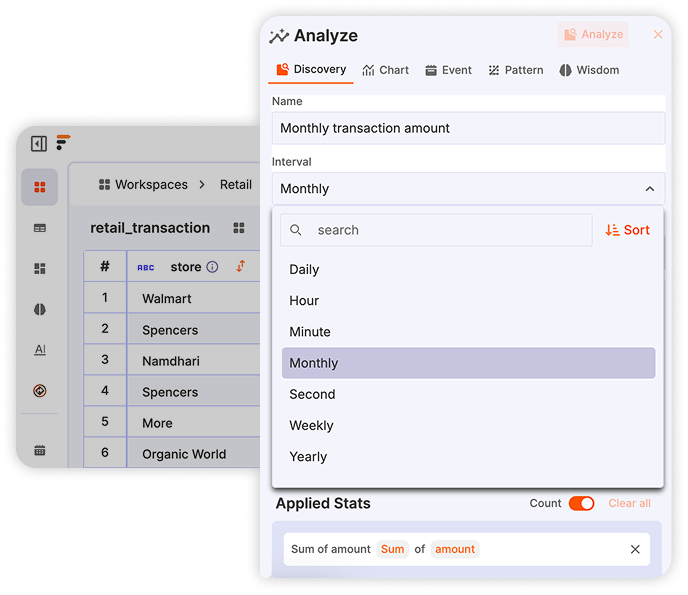
Yes, Formcept data management platform gives users the knobs to adjust the time field on their own when exploring and analyzing data. No coding or data skills needed.
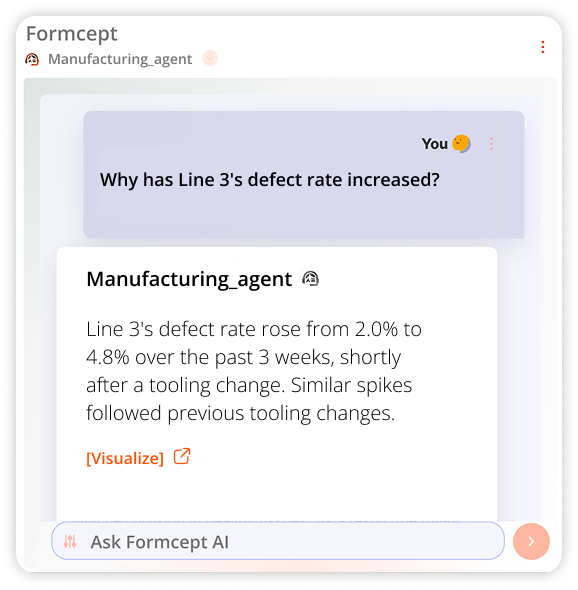
Yes, through pattern detection and event-based exploration, you can uncover hidden patterns that you may not be tracking otherwise.
Yes, this kind of chronological factkeeping helps fine-tune your AI models, as it gives AI a common structure and an unbroken context of time, to understand and make sense of the story unfolding in your data.


